By age 5, your child’s brain is 90% of the size it will ever be. Whatever environment they spend those earliest years in is the environment that shapes who they become. That’s why so many modern parents — especially the ones doing the most research — are choosing Montessori for their child’s foundation years.
You’re juggling work, family, and the never-ending quest to find the best education for your child. You’re not alone. Every parent wants to give their little one the strongest foundation for a bright future. That’s where Montessori education comes in.
Montessori Benefits for Busy Bees:
Imagine a place where your child can learn independently, exploring topics that ignite their curiosity. Edquisitive Montessori Plus makes this a reality. Here’s why busy parents like you are choosing Montessori:
Individualized Learning
Your child isn’t a class average — and Montessori doesn’t treat them like one. Children learn at their own pace and explore the subjects that pull at their natural curiosity, which means no child feels left behind or bored. Learning becomes something they want to do, not something done to them.
Hands-On Learning
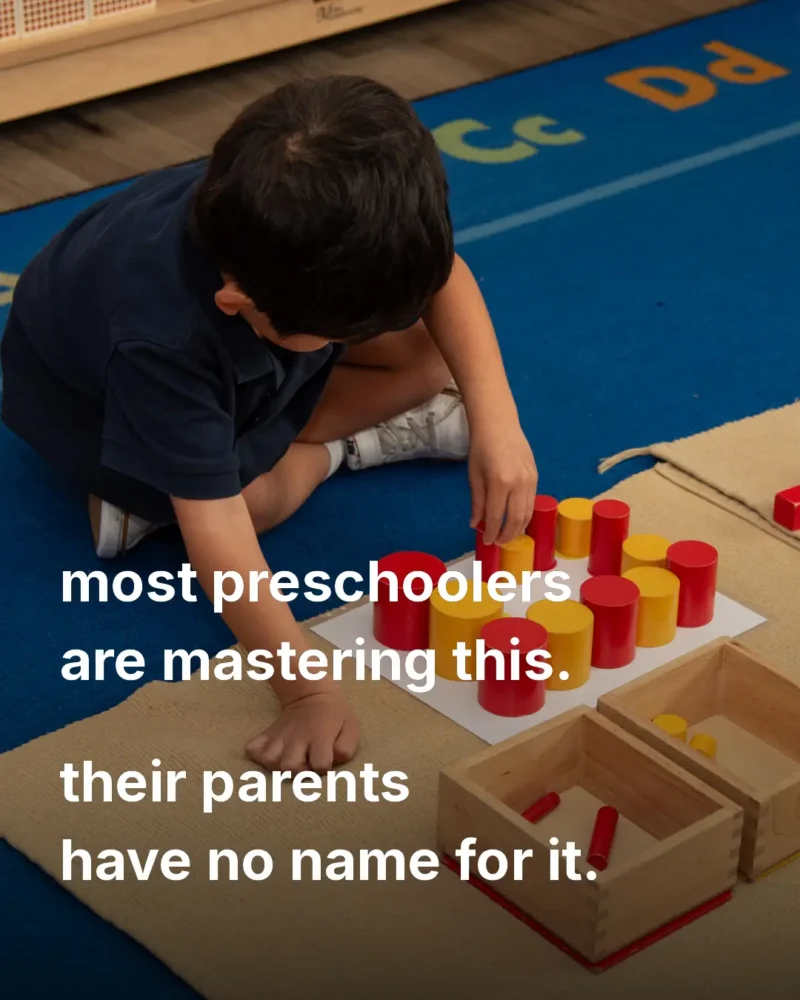
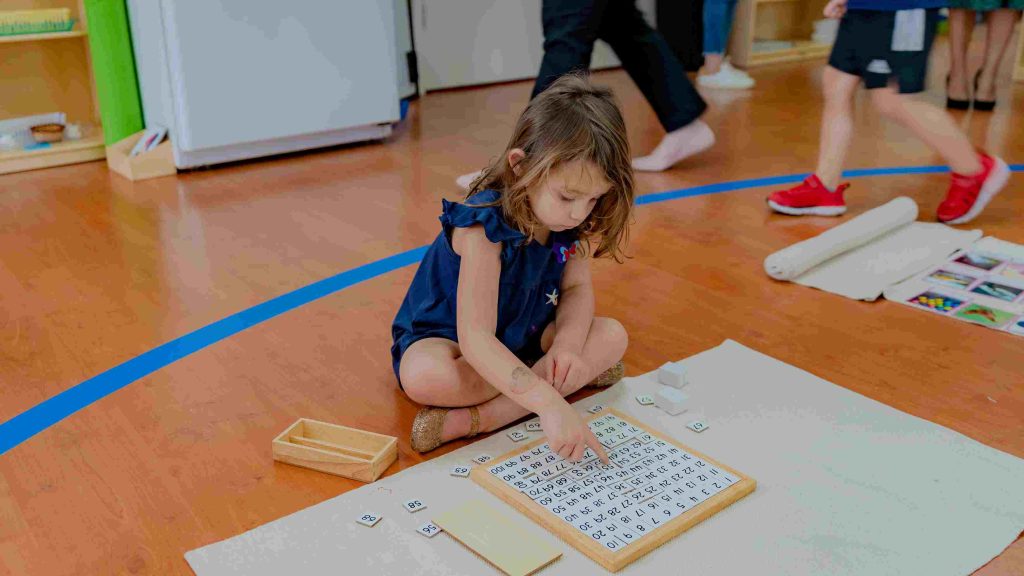
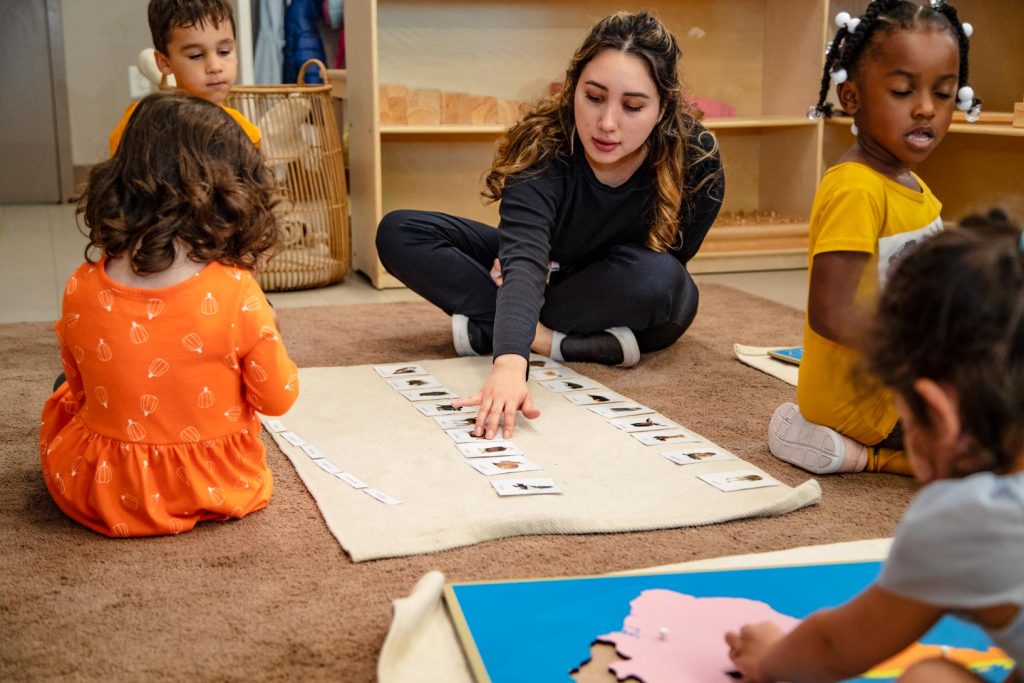
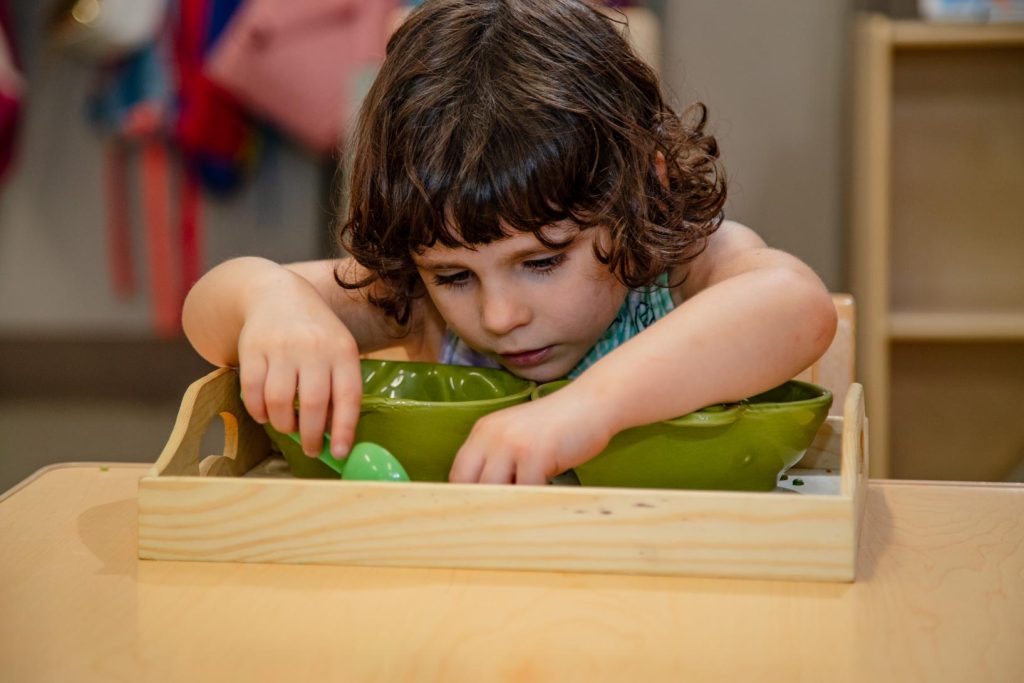
Watch a Montessori child work and you’ll notice something missing: the worksheet. Children learn by doing — handling real objects, manipulating real materials, solving real problems. Instead of reading about math, they hold it in their hands. Abstract ideas become concrete, and concrete things stay with them.
Fostering Independence
Montessori classrooms are designed so children don’t need adults to do the small things — and that changes everything. Children choose their work, complete it on their own, and see the results of their own effort. The result is a child who carries themselves differently, ready for whatever comes next.
Emphasis on Social Skills
Empathy, respect, and collaboration aren’t taught at circle time — they’re built into how the room works. Children move through their day in groups, sharing materials, taking turns, communicating directly with one another. The social skills that matter most for the rest of their lives are the ones they’re practicing every single day.
Prepared Environment
Walk into a Montessori classroom and the first thing your nervous system notices is calm. Every detail of the space — the height of the shelves, the order of the materials, the natural light, the absence of clutter — is carefully prepared to support how children actually learn. At our flagship Spanish Grove Academy campus, the prepared environment also includes daily Spanish immersion, woven into the natural rhythm of the day. This intentional environment enhances your child’s learning and development and creates a deep sense of order and calm.
Curious what a prepared environment actually looks like?
Schedule Your Free Tour →30 minutes. Four San Antonio campuses to choose from.
Focus on Critical Thinking
Montessori teachers don’t hand children answers. They guide children to find the answers themselves — which is what builds the kind of thinker that traditional schools later say they wish they had. Curiosity becomes a habit. Problem-solving becomes second nature. The love of learning isn’t taught; it’s grown.
Mixed-Age Classrooms
Real life isn’t grouped by birthday — and neither is a Montessori classroom. Children of different ages work side by side, with older children mentoring the younger ones and younger ones reaching up. Every child gets to be both teacher and learner, which is exactly how the world actually works.
Respect for the Child
The most radical thing about Maria Montessori’s method, more than 100 years after she developed it, is still this: she took children seriously. Teachers act as guides rather than directors. Children are trusted to do real work, not just keep busy. They feel it — and they grow into people who feel valued and understood.
Timeless Relevance
The Montessori method is more than 100 years old — and it has gotten more relevant, not less. Respect for the child, fostering independence, hands-on learning: these aren’t trends. They’re the foundation children need in a world that increasingly rewards creativity, critical thinking, and the ability to work well with other humans.
“Our aim is not merely to make the child understand, and still less to force him to memorize, but so to touch his imagination as to enthuse him to his inmost core.”
Dr. Maria Montessori
Integrating Inquiry-Based Learning
At Edquisitive Montessori, traditional Montessori isn’t the ceiling — it’s the foundation. We layer inquiry-based learning and influences from Reggio Emilia on top, which means children aren’t just choosing their own work; they’re also asking their own questions and following the threads where they lead. The result is a richer, more curious child — one prepared for a world that doesn’t reward memorization but rewards the people who keep asking why.
Conclusion
Montessori isn’t an educational trend. It’s a philosophy that respects and nurtures the whole child — and the more we learn about how kids actually grow, the more right Maria Montessori turns out to have been. For modern parents weighing options, the question often shifts from “why Montessori?” to “why hasn’t every school caught up yet?”
If you’re still in research mode, our Montessori Education FAQ tackles the questions parents ask most often. Or if you’d rather see it in person, schedule a tour below — it’s the fastest way to know whether this feels right for your family.
Come see what Montessori looks like in your child’s hands.
A 30-minute tour gives you a real feel for the classrooms, the teachers, and how the method actually works in practice — across our four San Antonio campuses.
Schedule Your Free Tour →Not ready to tour yet? Join our Parent Curiosity Hub →
Subscribe to Newsletter
Programs offered at Edquisitive Montessori include:
✔️Infants (10 Weeks – 18 Months)
✔️Toddlers (18 – 36 Months)
✔️Primary (3-6 Years)
✔️Kindergarten
✔️Mother’s Day Out
✔️Spanish Immersion / Dual Language
✔️After School Programs and Summer Camp (6 – 12 Years)
Music, Spanish, and Yoga are other programs included as part of the tuition.
Learn more about Inquiry-based Learning